2025-04-10
Anti-trends in Commercial Interior Design: What No Longer Works

Commercial design keeps changing. New tech, new expectations, new ways of working. What looked cutting-edge yesterday can feel awkward today.
So — what have we left behind? And what came to replace it?

Open spaces that do everything. And end up doing nothing
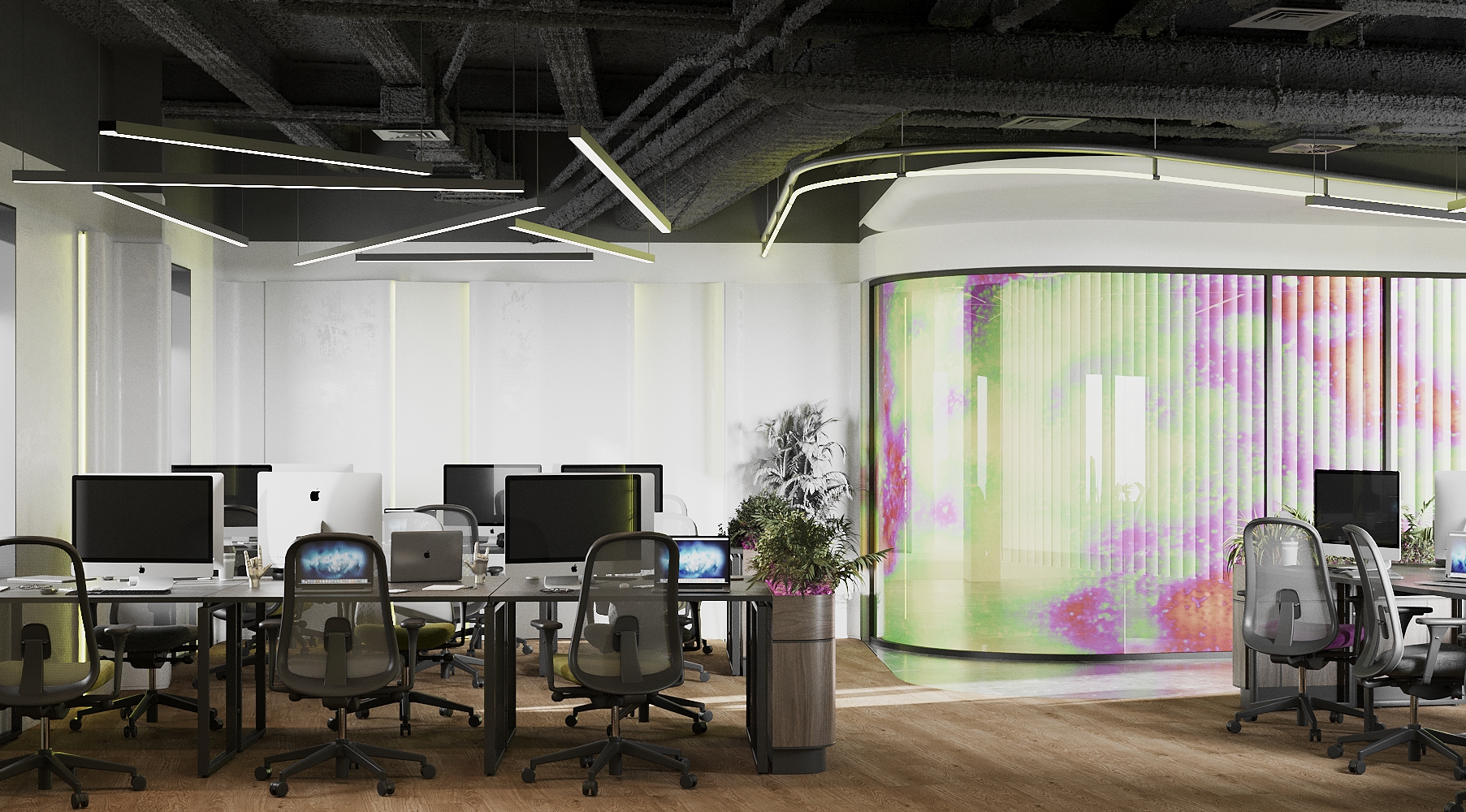
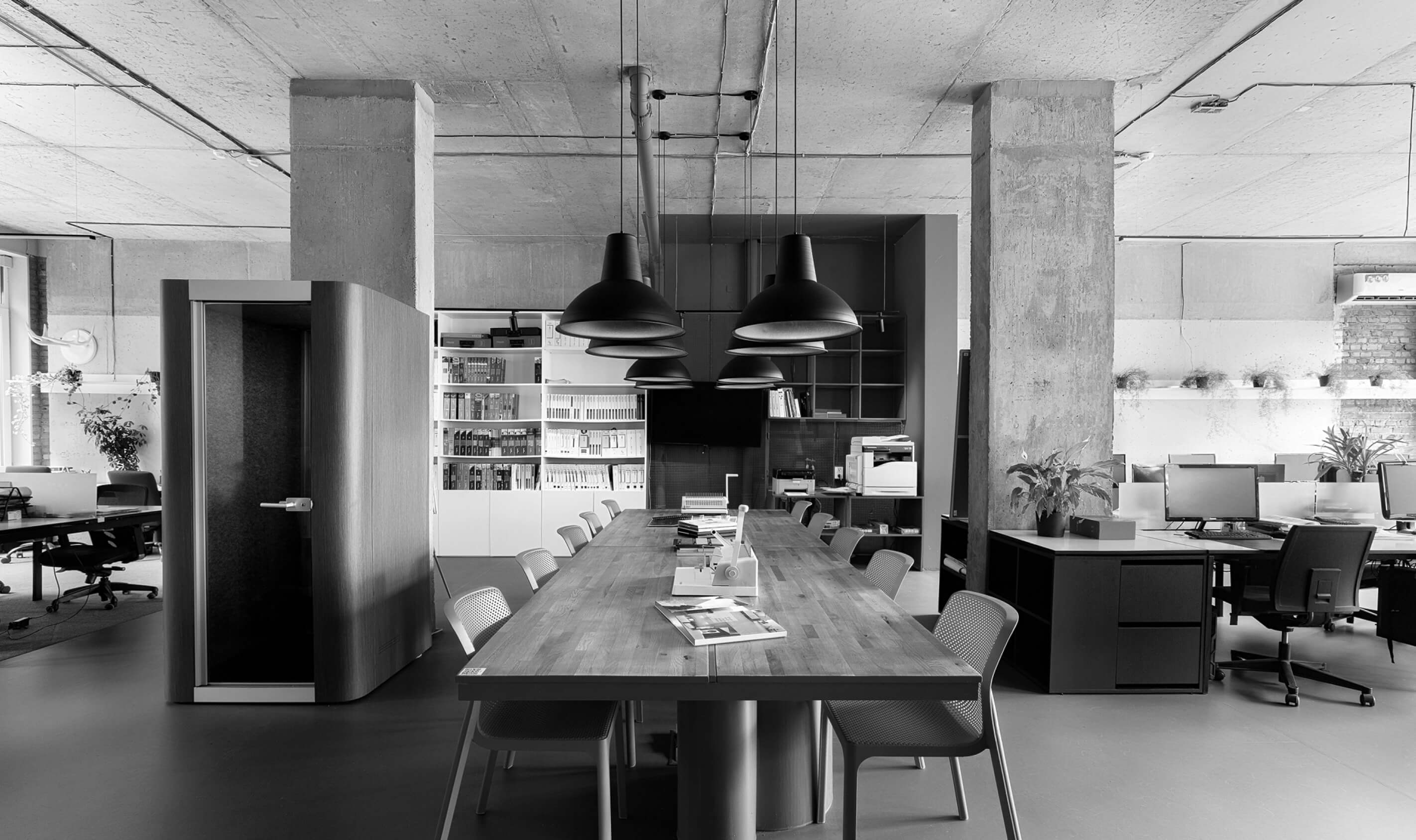
Open-plan offices once symbolized innovation. No walls, just rows of desks and the illusion of freedom. But reality hit: too much noise, no privacy, constant distractions.
What now?
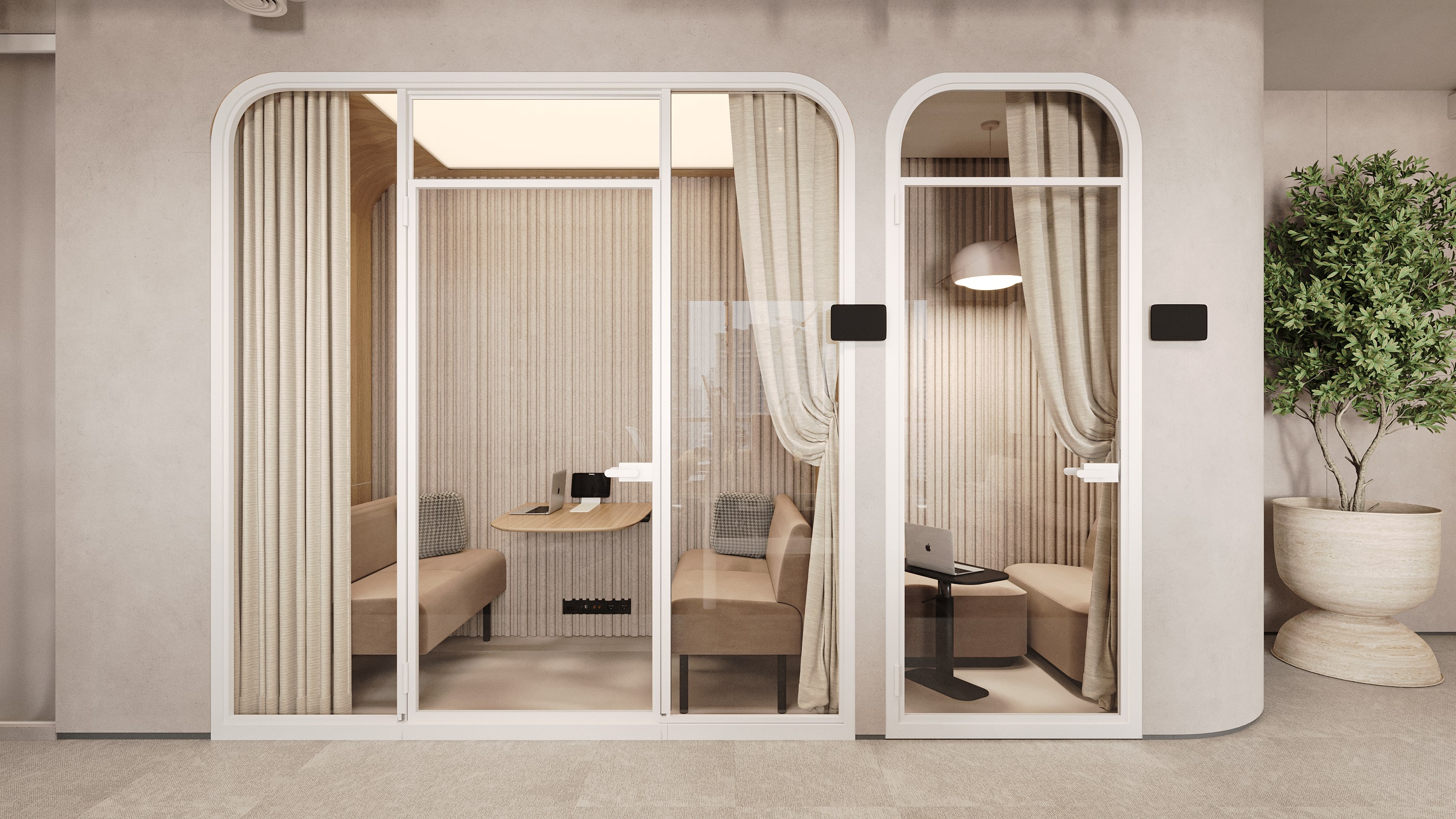
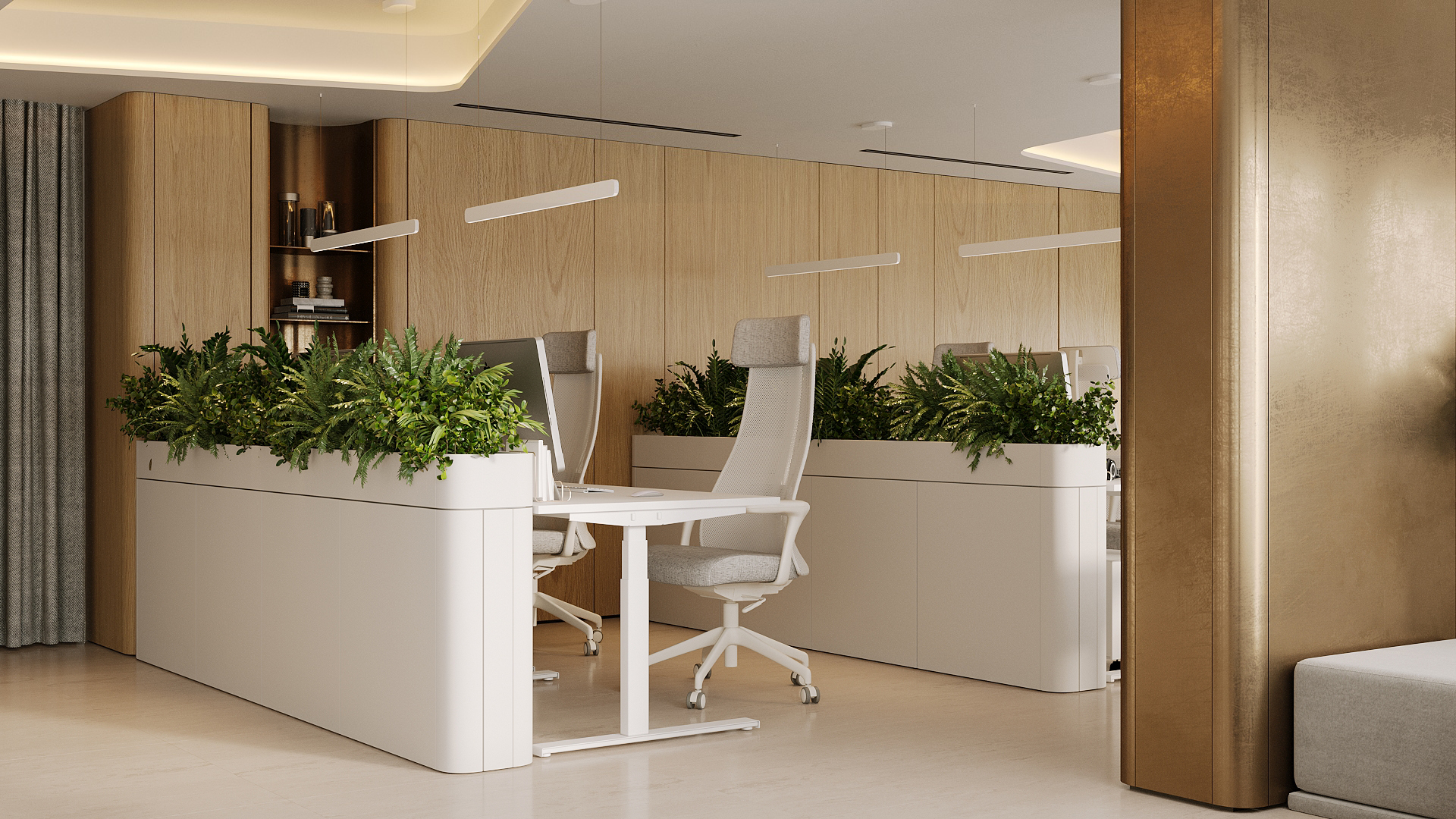
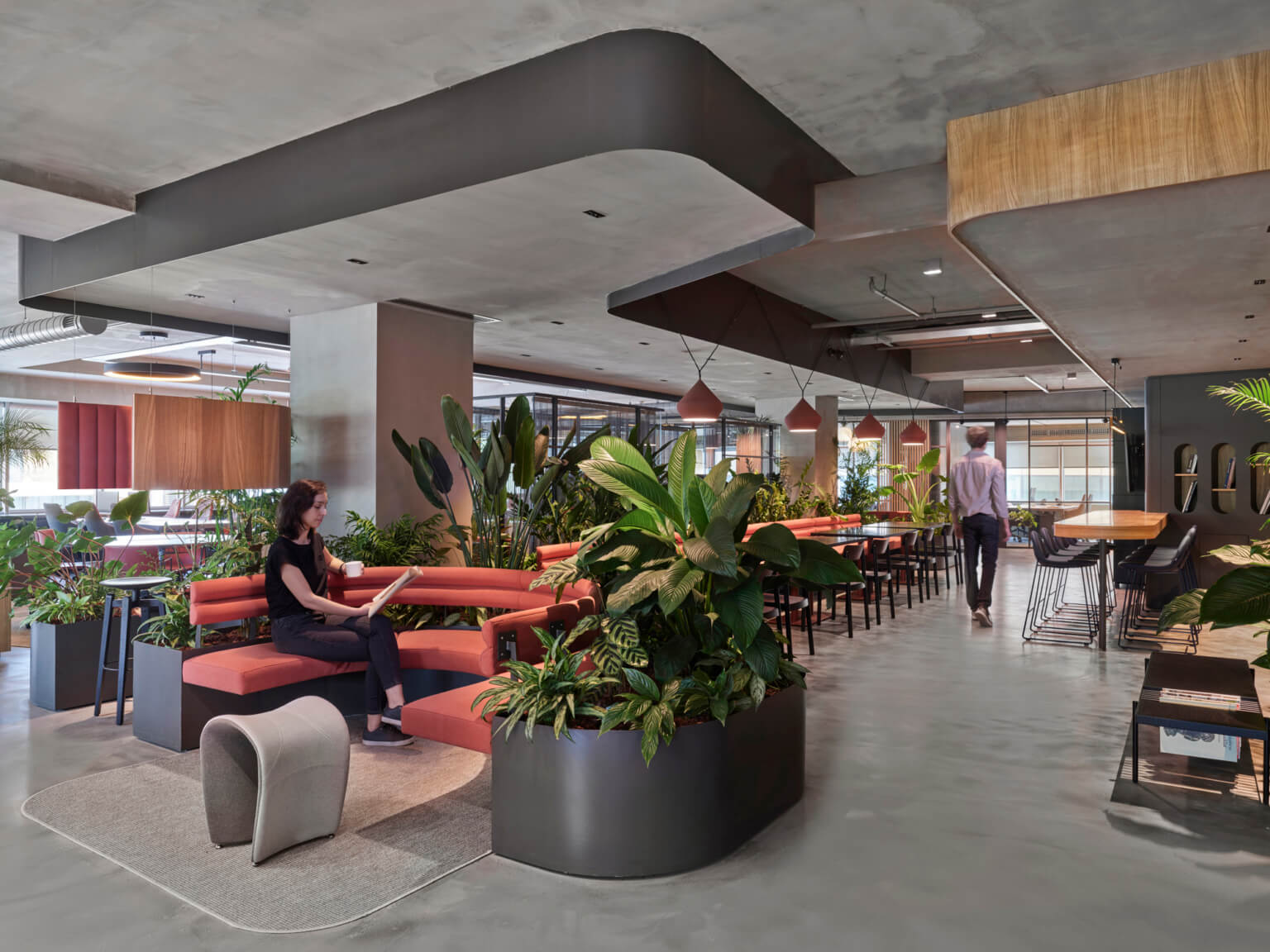
Zoning. Flexibility. Focus booths where silence matters. Modular brainstorming areas. Lounges that actually let people breathe. Smart meeting rooms that adapt to how teams really work.
It’s not about isolating people — it’s about giving them the right space at the right time.

Branding that shouts. And tires
Walls in corporate colors. Logos everywhere. Branded ceilings. Sounds familiar? It used to feel “on-brand” — now it feels like visual noise.
What now?
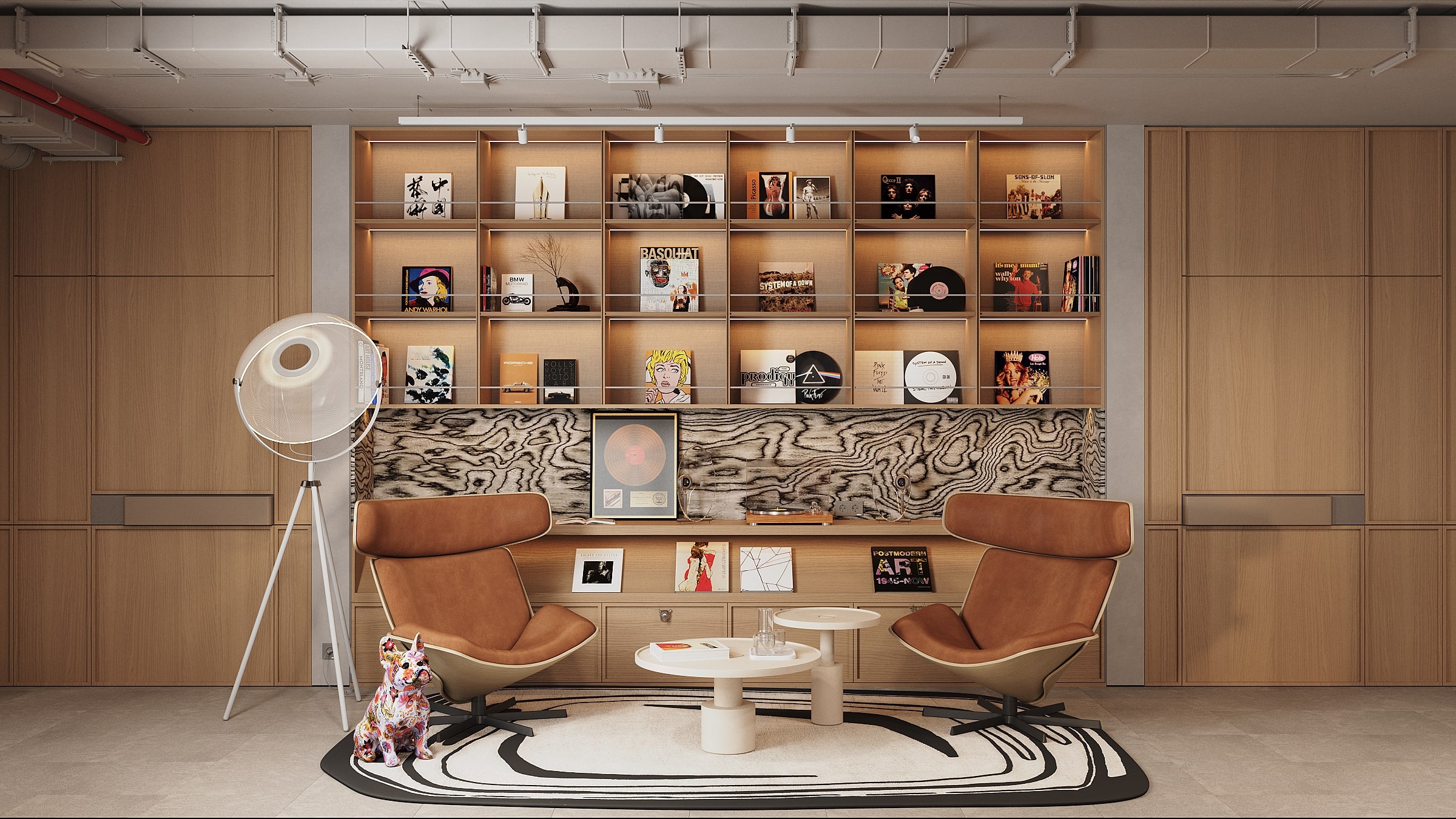
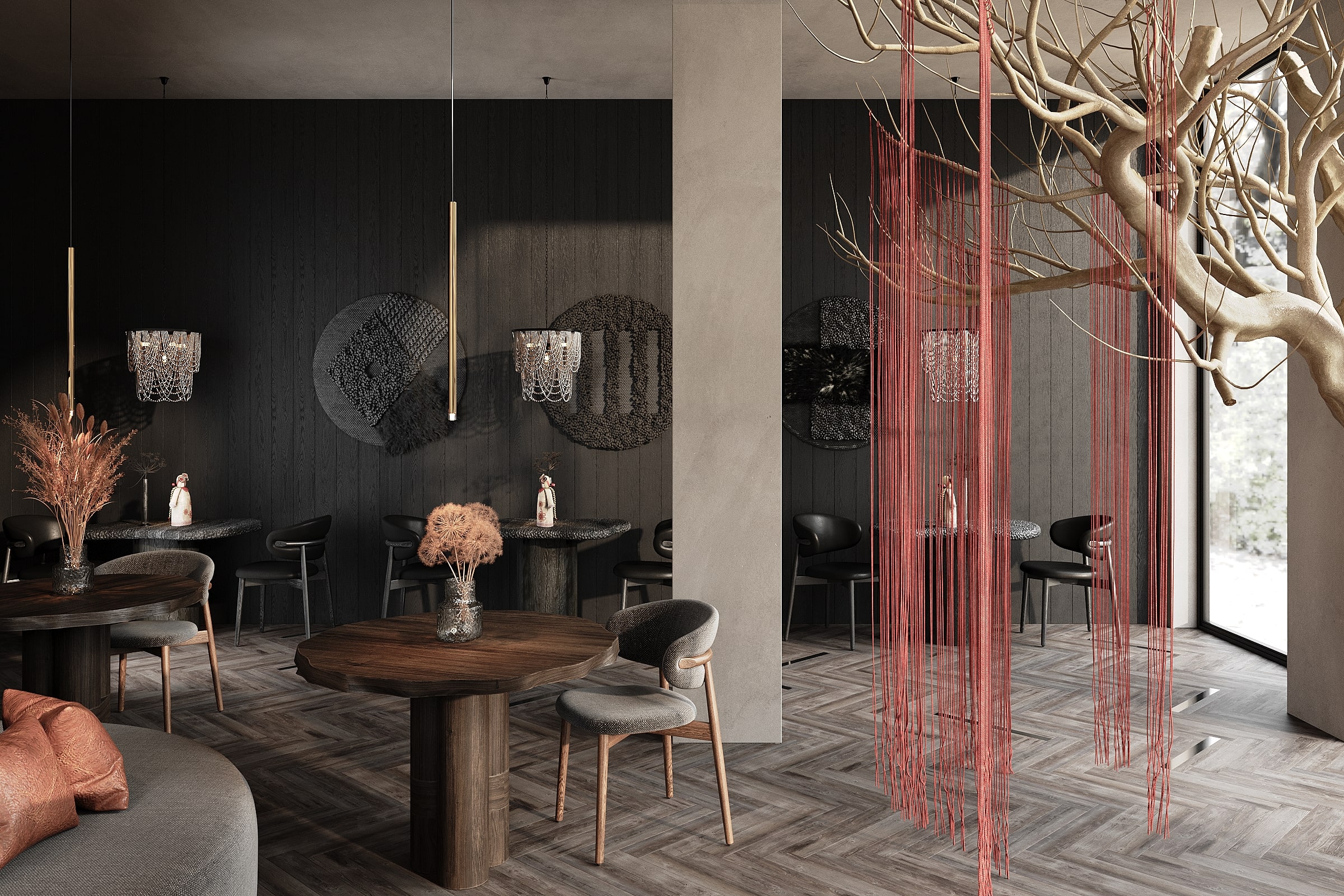
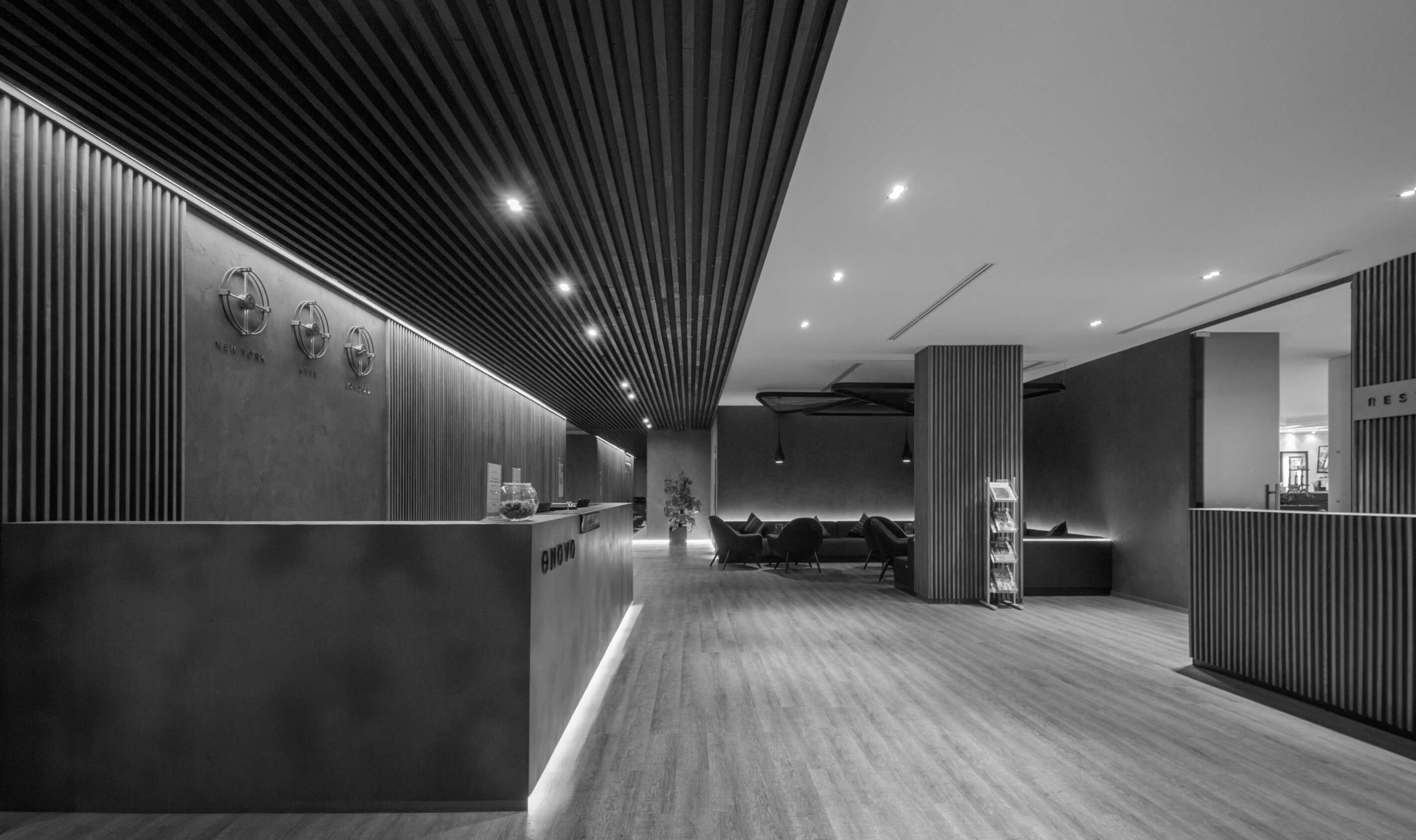
Identity through space, not surface. Forms that reflect the company’s energy. Natural textures. Lighting that does more than illuminate — it speaks. Design that lets the brand breathe.
Branding becomes atmosphere, not advertising. It’s there — but it doesn’t yell.

Clinics that look... clinical
White tiles. Cold lights. Shiny discomfort. For years, medical spaces followed one rule: sterile first, everything else later.
What now?
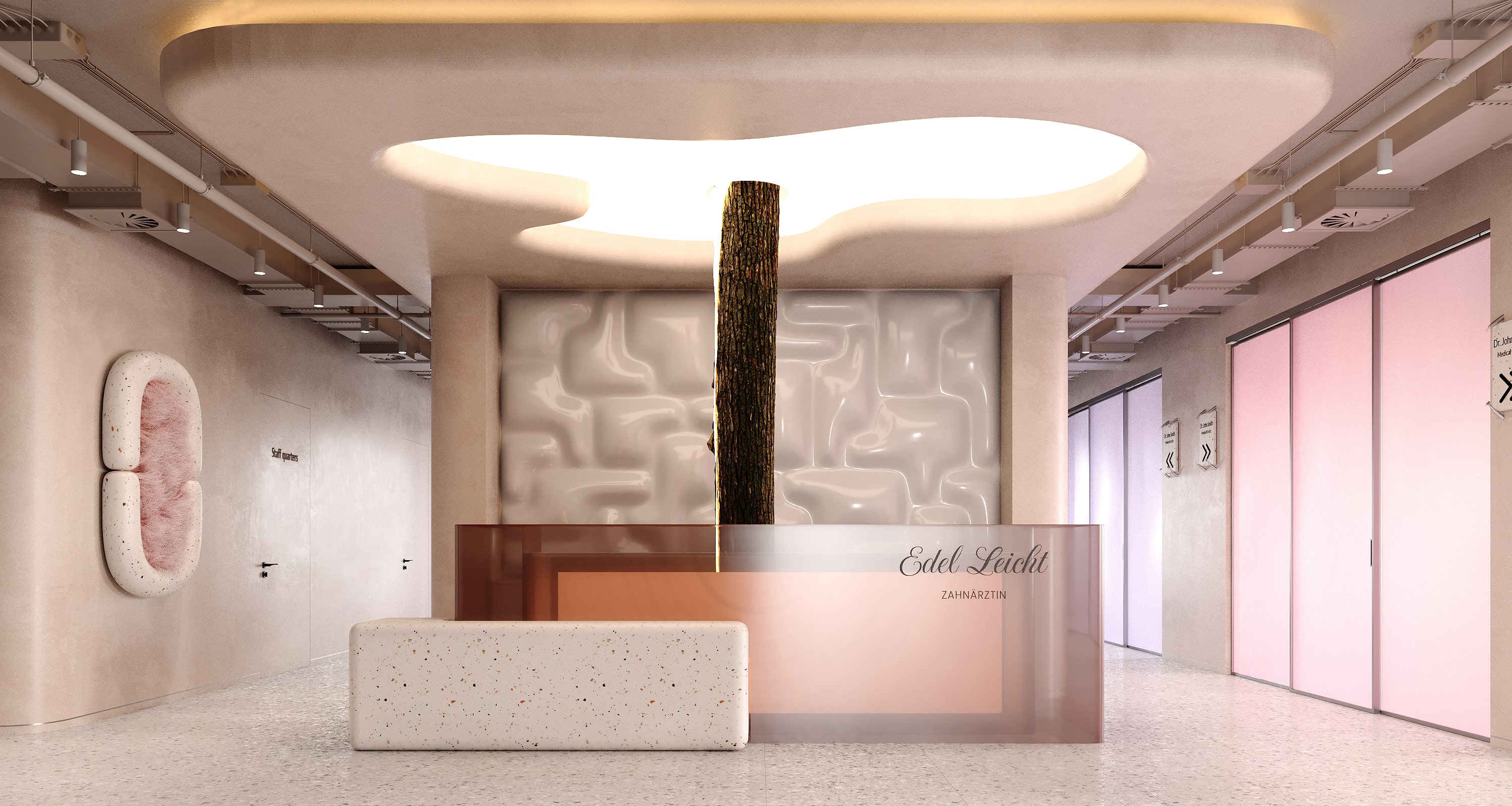
Soft tones. Matte surfaces. Tactile comfort. Greenery. Quiet corners. Thoughtful layouts that respect privacy. Medical design that heals more than just bodies.
Because healing starts long before treatment — and space can calm or stress, even before a word is spoken.

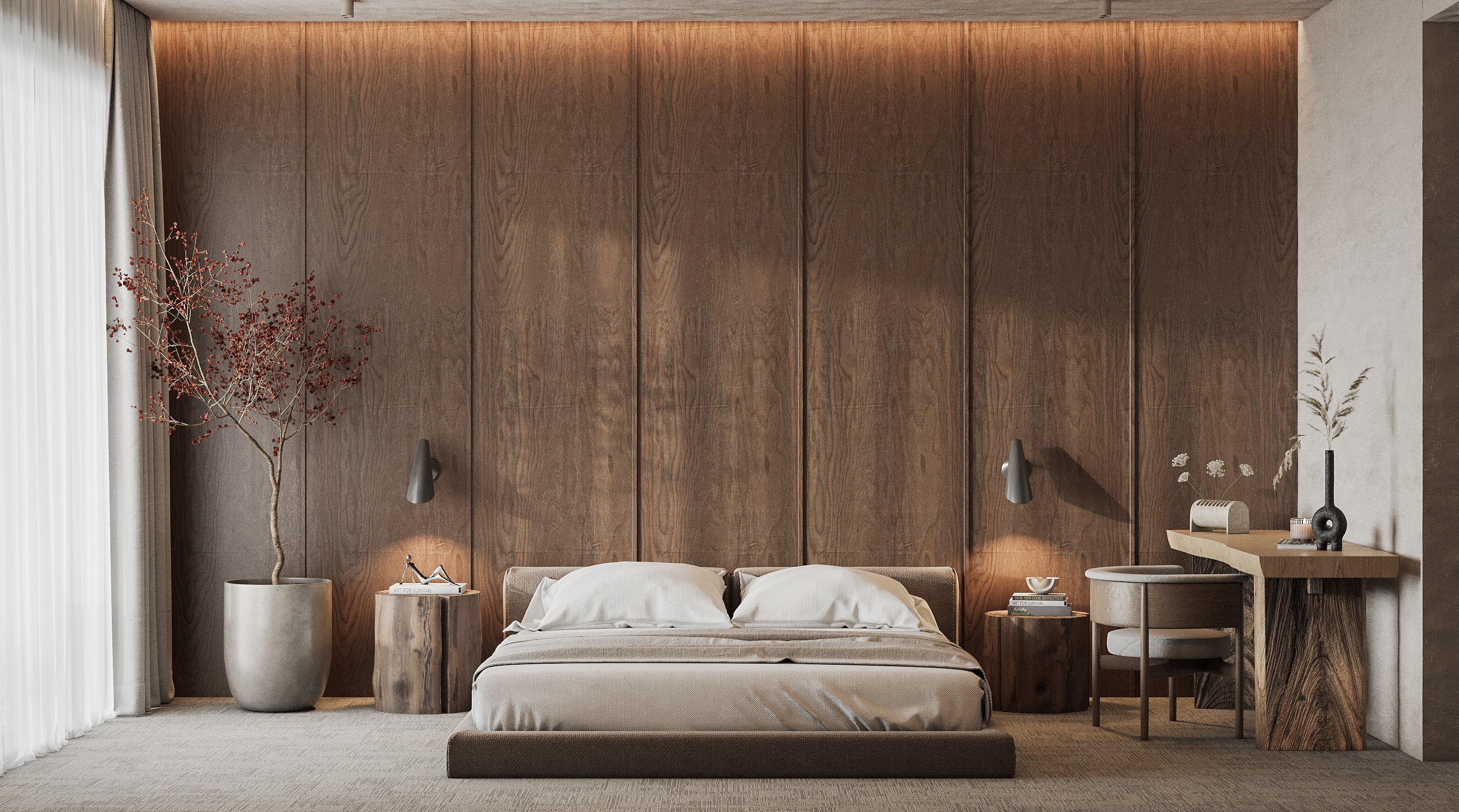
Hotels that copy-paste rooms
One space, replicated fifty times. Standard layouts, predictable lighting, no local flavor. For the modern traveler — forgettable.
What now?
Variation. Authenticity. Design that draws from the context — city, story, purpose. Lighting that shifts with the time of day. Smart tech without losing human touch.
Every room becomes a memory, not just another place to sleep.

Lighting that’s always the same
Even, cold, one-type-for-all lighting. Once called “efficient.” Now: static, fatiguing, wrong.
What now?
Biodynamic lighting that adapts to human rhythms. Natural cycles built into artificial systems. Zones lit for tasks, moods, time. And daylight — invited in, not blocked out.
Lighting isn’t just technical anymore — it’s emotional.

Acoustics as an afterthought
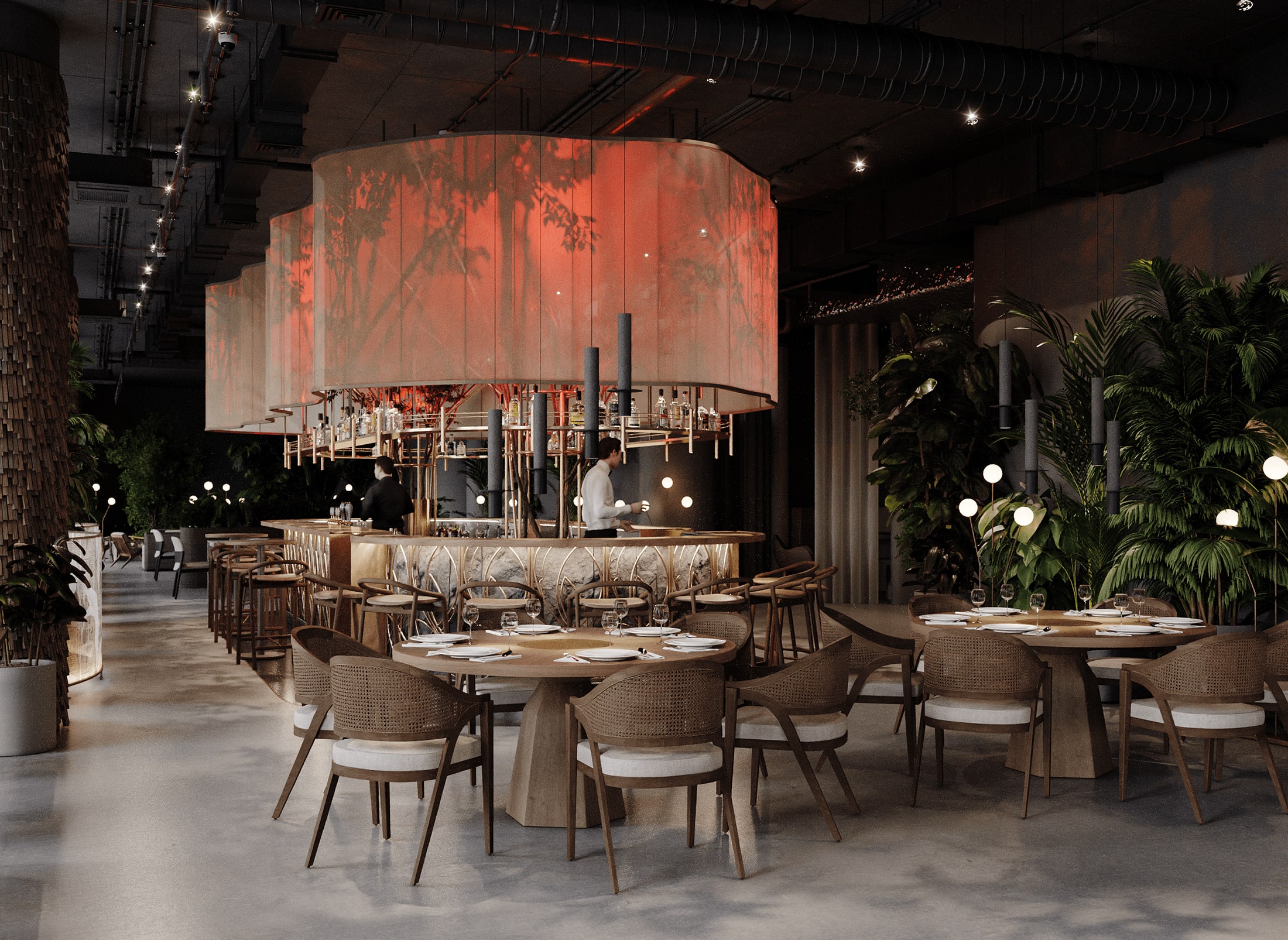
Echoey lofts. Hard surfaces. Stylish discomfort. Acoustic panels slapped on as a fix.
What now?
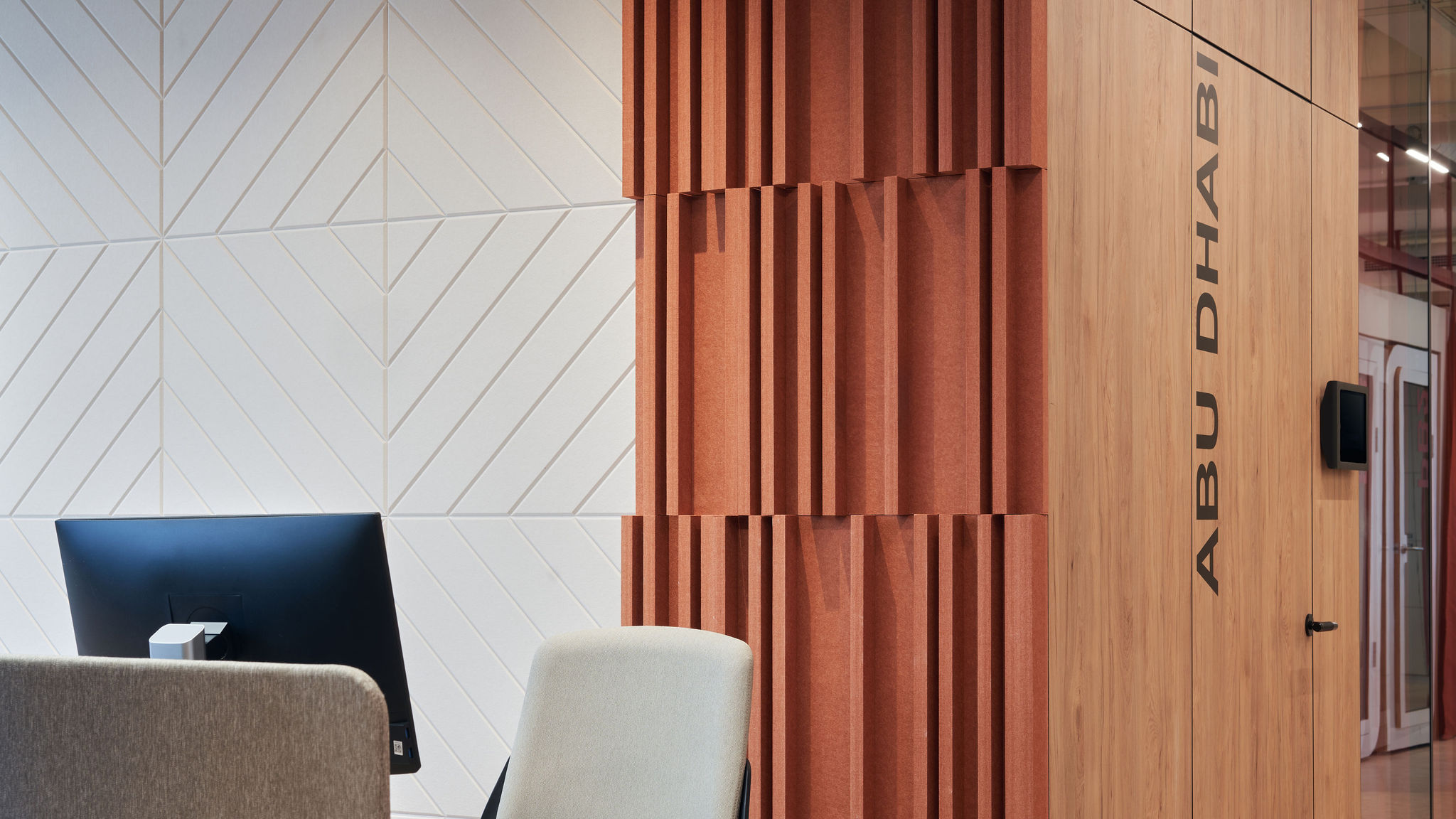
Integrated sound strategy. Acoustic materials woven into furniture, partitions, even green walls. Modular systems that adapt to different uses.
We think about how a space sounds as early as we think about how it looks.

In commercial design today, form follows feeling
It’s not just about beauty — it’s about focus, flow, and how people behave inside the space. Less noise, more clarity. Less formula, more relevance.
Design should feel natural, not forced. And when it works — you feel it immediately.
That’s what makes design work.