
2025-02-17
Modern Offices: New Workspace Standards
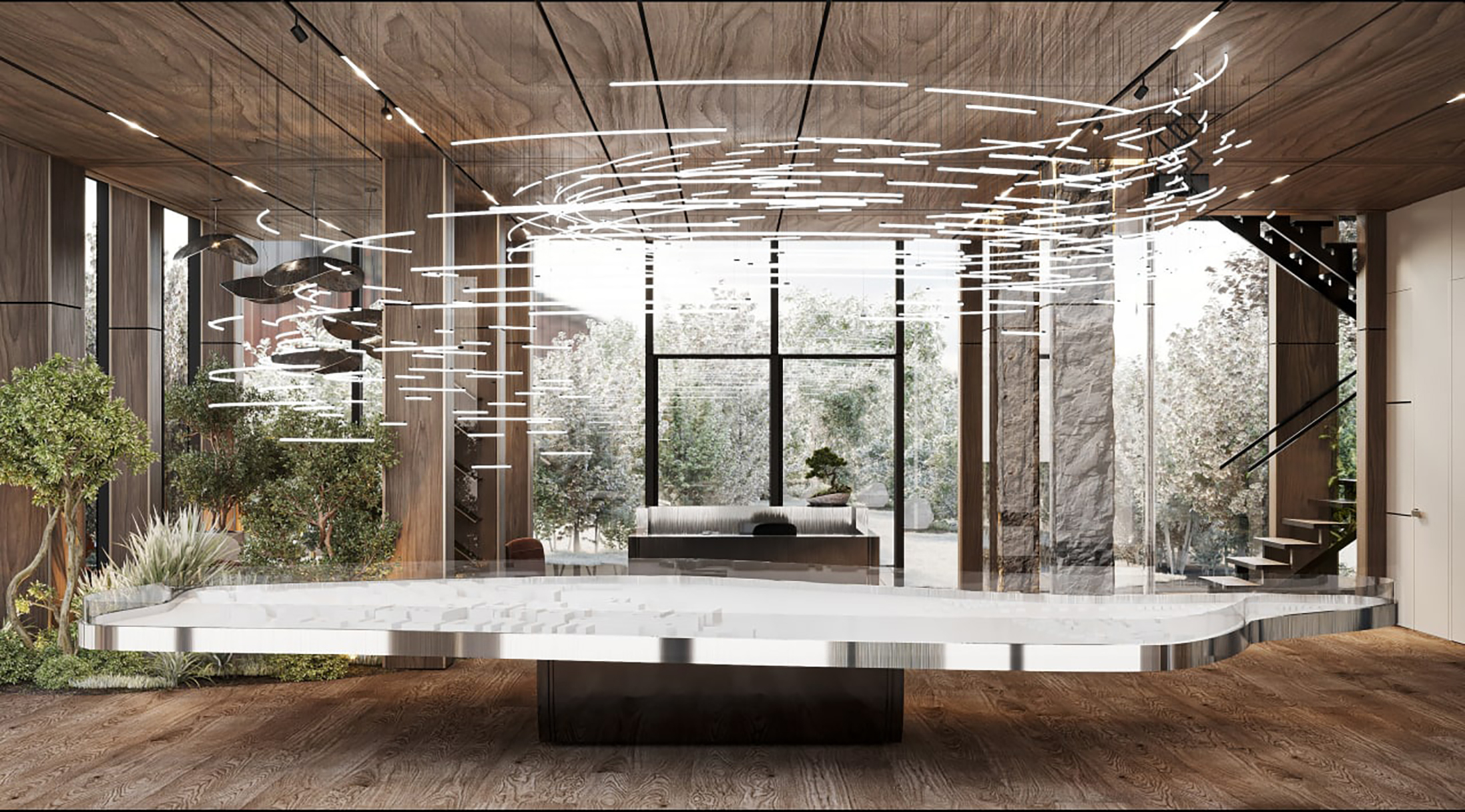
Twenty years ago, offices resembled prison-like spaces – long rows of identical desks, standard gray partitions, an atmosphere of discipline and control. Employees were squeezed into rigid corporate frameworks where individuality was suppressed by a uniform environment. The modern office is an entirely different story. It has become a living organism, capable of adapting, breathing, and changing together with the team, transforming our understanding of what a workspace can be.
In just a few minutes, individual workspaces transform into collective brainstorming zones, and then seamlessly return to their previous state. Mobile partitions, transformative tables, and modular furniture create an environment that adapts as naturally as breathing. This adaptability not only supports various work styles but also creates perfect conditions for integrating natural elements into the workspace.

Biophilic Design: Nature Inside the Office
Building upon this foundation of flexibility, modern offices embrace nature as an essential component of the workspace. Live plants, natural materials, and maximum use of natural light aren’t merely fashionable additions – they’re vital necessities for creating a truly human-centered environment. Nature in the office transforms it into a space where people feel not just comfortable, but genuinely inspired. These natural elements significantly impact both productivity and the psychological-emotional wellbeing of employees. The integration of nature sets the stage for technological solutions that enhance rather than dominate the workspace.

Technological Integration: The Smart Office
Modern technology works in harmony with natural elements to create an intelligent, responsive environment. Smart microclimate management systems adapt to occupancy levels and activity patterns while maintaining optimal conditions for both people and plants. Dynamic lighting systems work in concert with natural light, adjusting throughout the day to support our natural rhythms and enhance comfort.
Wireless charging zones and acoustic partitions with built-in electronics seamlessly blend into the environment. Augmented and virtual reality rooms transform global communications, making remote meetings feel as natural as face-to-face interactions. Interactive surfaces for collaborative work enhance team effectiveness while maintaining the organic feel of the space. All these technological elements are carefully designed to support the primary goal: creating a psychologically comfortable environment.

Space Psychology: Comfort
The thoughtful integration of technology and nature serves a deeper purpose – creating a psychologically nurturing environment. Office design is fundamentally about fostering mental and emotional wellbeing. A properly designed workspace reduces stress levels, increases motivation, stimulates creativity, and strengthens team dynamics.
Every square meter of a modern office makes a psychological statement. While dark corners suppress creativity, open spaces with thoughtful zoning inspire innovation. Color solutions influence mood as profoundly as music affects our emotional state. Interior design meticulously choreographs communication scenarios: soundproof focus rooms provide spaces for deep concentration; collaboration zones offer open areas for brainstorming; lounges provide essential recharge spaces; and informal communication zones encourage spontaneous dialogues that often spark the best ideas. This comprehensive approach to space design directly impacts the company’s bottom line.

Economic Effect
The synthesis of all these elements – from flexible planning to psychological comfort – translates into tangible economic benefits. A thoughtfully designed modern office significantly enhances staff productivity, strengthens the company’s HR brand, improves talent retention, and builds a positive corporate image.
Quality design doesn’t just create an attractive space – it measurably enhances employee performance, facilitates more effective communication, and reduces staff turnover. These benefits combine to create substantial long-term value for the organization.
Investments in office space are investments in the most important resource of business – its people. By creating environments that support both wellbeing and productivity, companies aren’t just building offices; they’re building foundations for sustainable success.